 Available in US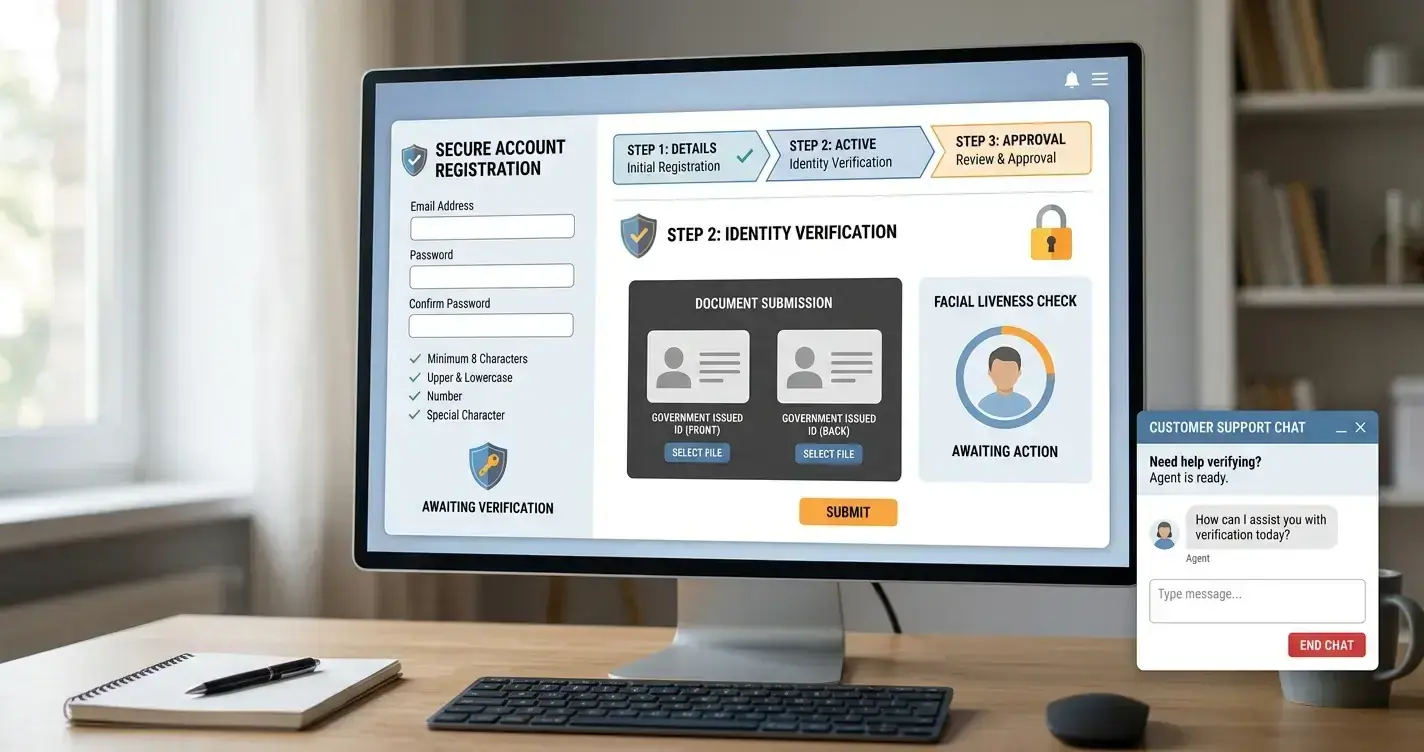
Rollino KYC: what this guide can safely establish
Verification matters because a casino account connects identity, age, payments and withdrawals. The supplied Rollino research does not provide current primary evidence for one universal document checklist or a guaranteed KYC processing time. This page therefore does not invent either. Account-specific instructions should come from the authenticated Rollino flow when a check is requested.
For UK readers, there is a useful regulatory benchmark. The UK Gambling Commission requires the remote licensees covered by its rules to verify age before a customer can deposit, access free-to-play gambling games, or gamble with their own money or a bonus. Current Commission consumer guidance also says online gambling businesses must ask customers to prove age and identity before gambling.
That UKGC standard is context, not proof of Rollino’s exact process. The local regulatory rule should not be silently presented as a Rollino-specific workflow.
The full picture is in the Rollino review for UK players.
Why identity checks exist
The Gambling Commission’s consumer guidance describes three main reasons for ID checks at regulated online gambling businesses: confirming that a customer is old enough to gamble, checking self-exclusion, and confirming identity. Verification can sometimes be completed electronically; when database checks are insufficient, documents may be requested.
Those examples help explain the purpose of KYC, but they do not create an exact Rollino document requirement. If Rollino asks for information, read the current request carefully and confirm unclear instructions through an authenticated support route. Avoid sending sensitive files to an address or contact you cannot verify.
Use accurate account information from the start. Differences between registration details, payment information and submitted identity data can create extra questions later. Consistency does not guarantee approval, but it avoids preventable mismatches.
UKGC age verification happens before gambling, not after it
The current UKGC remote social-responsibility code requires covered licensees to verify a customer’s age before allowing a deposit, access to free-to-play versions of gambling games, or gambling with cash, free bets or bonuses. This is an important distinction from older models where age checks could occur later.
For a British player accustomed to licensed domestic sites, early verification is therefore part of the expected regulatory framework. It is also why simply reaching a registration page should not be treated as proof that an operator follows the same protections. Licensing status determines which regulatory framework applies.
See the Rollino licence and UKGC guide for that separate question. KYC and licensing are connected, but a verification screen by itself does not establish who regulates the operator.
Verification and withdrawals
Verification can become relevant when funds are withdrawn, but the UKGC’s current consumer guidance says a licensed gambling business should not wait until withdrawal to ask for age and identity evidence if it could reasonably have requested it earlier. Additional information can still be required later for legal obligations such as anti-money-laundering checks.
This is again a benchmark for UKGC-regulated gambling, not a promise about how Rollino will handle an individual payout. For Rollino, use the current account instructions and ask support which requirement is outstanding if a withdrawal is waiting on verification.
The Rollino withdrawal guide covers cash-out mechanics and reputation evidence. Keep records of a withdrawal reference, verification requests and completed actions if an issue takes more than one support conversation.
What documents might a regulated operator request?
The Gambling Commission gives passports, driving licences and household bills as examples of documents that a gambling business may request when electronic information is insufficient. It does not prescribe one universal document set, and its guidance explicitly notes that the length of ID checks varies.
Those examples should not be copied into a claim that Rollino always requires the same items. The evidence supplied for this page supports the UK regulatory principle, not a fixed Rollino KYC list. Follow the request actually shown in your account and provide only what is legitimately required through a secure channel.
If a document contains sensitive information unrelated to the request, do not make your own assumptions about editing it. Ask the operator what format is accepted and what information must remain visible.
How to handle a Rollino verification request
First, confirm that the request appears in an authenticated account area or comes through a support channel you trust. Second, read exactly what is requested and whether the instruction explains the purpose. Third, check that the personal information on your account is accurate before submitting anything.
Fourth, keep a record of what you submitted and when. Fifth, if the request changes or remains unresolved, ask support for the specific outstanding requirement rather than repeatedly sending different documents. This creates a clearer trail if the verification affects a withdrawal.
Never share passwords, email login credentials, wallet seed phrases or private keys as part of identity verification. Those credentials control other accounts or assets and are not ordinary proof-of-identity documents.
Do not rely on a promised KYC time
The supplied Rollino evidence does not establish a current official universal verification time, and the Gambling Commission itself says it cannot provide one standard timescale for ID checks because the process varies. Electronic matching can be quick while document review can take longer.
That makes a fixed “verified in X hours” statement inappropriate here. If timing matters because a withdrawal is pending, ask Rollino for the current status of the specific account check and what action, if any, remains outstanding. Record the response rather than extrapolating from another player’s experience.
A precise but unsupported time is less useful than a clear status. The goal is to understand the current account process, not to force every verification case into the same schedule.
KYC FAQ
Does Rollino require verification?
Verification can be relevant to casino accounts and withdrawals, but this page does not publish an unsupported universal Rollino checklist. Follow current authenticated account instructions.
What does the UKGC require?
Covered remote licensees must verify age before deposit, free-to-play access or gambling. UKGC consumer guidance also requires online gambling businesses under its regime to prove age and identity before gambling.
Which documents can be requested?
UKGC guidance gives passports, driving licences and household bills as examples, but it does not mandate one universal list. These examples are UK regulatory context, not a fixed Rollino checklist.
How long does Rollino verification take?
The available evidence does not support a universal current Rollino processing time. Check the status of the specific account request.
Decision summary
The safe way to discuss Rollino KYC is to separate verified UK regulatory standards from Rollino-specific facts that need current primary evidence. UKGC licensees face clear pre-gambling age-verification duties. Rollino’s exact document requests and processing times should come from the account itself.
If verification affects money, keep the process documented and resolve unclear requirements before repeatedly submitting sensitive information. That gives you a better basis for support or a later complaint than relying on generic KYC assumptions.
What the evidence can show
This page deliberately distinguishes a verified regulatory rule from details that require current operator-specific evidence. That distinction prevents a general UK standard from being misrepresented as a Rollino promise and prevents an offshore licensing fact from being treated as proof of British authorisation.
When a regulatory point matters to your decision, prefer the relevant regulator and public register over a marketing page or historical review. When an account-specific process matters, use current authenticated operator instructions rather than assuming every player follows the same path.
Verification red flags to avoid
A legitimate verification process may require sensitive information, which makes the delivery channel important. Be cautious if someone asks you to move the conversation to an unrelated messaging account, send credentials that control your email or wallet, or provide documents without a clear connection to an authenticated casino request. Confirm unusual instructions through the official account or support route before acting.
Also distinguish a request for identity evidence from a request to pay additional money. If a withdrawal is delayed, ask for the specific reason and outstanding action. Do not assume that making another deposit is a normal substitute for completing identity verification. Keep the issue focused on the account requirement that support can document.
These precautions do not predict that Rollino will make any particular request. They are a practical way to handle sensitive verification information when the exact Rollino checklist is not established by the available evidence.
Prepare before a payout becomes urgent
If your account exposes a verification status or identity section, review it before a withdrawal becomes time-sensitive. Make sure your registration details remain accurate and that you can access the email and payment accounts connected to the casino. If the operator asks for an action, completing a legitimate request earlier can make the account state easier to understand.
Preparation should not become over-submission. Do not send documents simply because another player says they were requested from them. Verification can be account-specific. Follow the current request, keep a record, and ask for clarification when the requirement is ambiguous.
Verification matters most at the withdrawal stage.
This material was created by the Rollino UK Guide team.
